By Nataliia Bohdanova
Many people struggle with the same question: why can’t I lose weight? Even with strict diets, the results often don’t follow… The answer is rarely simple: weight gain and plateaus are often caused by deeper factors like hormones, metabolism, and nutrition imbalances. In this article, we’ll break it down — and help you take back control.
Hormonal Imbalances: Why You Can’t Lose Weight
Hormones like insulin, cortisol, leptin, and ghrelin control hunger, metabolism, and fat storage. When these get out of sync, they can make weight loss feel impossible — and may be a hidden reason why you can’t lose weight despite healthy habits.
The Truth About Fasting and Weight Rebound
Intermittent fasting has become a trend — but when done incorrectly, it can do more harm than good.
- Extended fasting can slow metabolism as your body tries to conserve energy.
- Once normal eating resumes, the body may store extra fat — a protective mechanism against future “starvation.”
Solution: If you fast, do so mindfully. Focus on balanced meals and avoid extreme restrictions.
Why Balanced Nutrition Beats Restrictive Diets
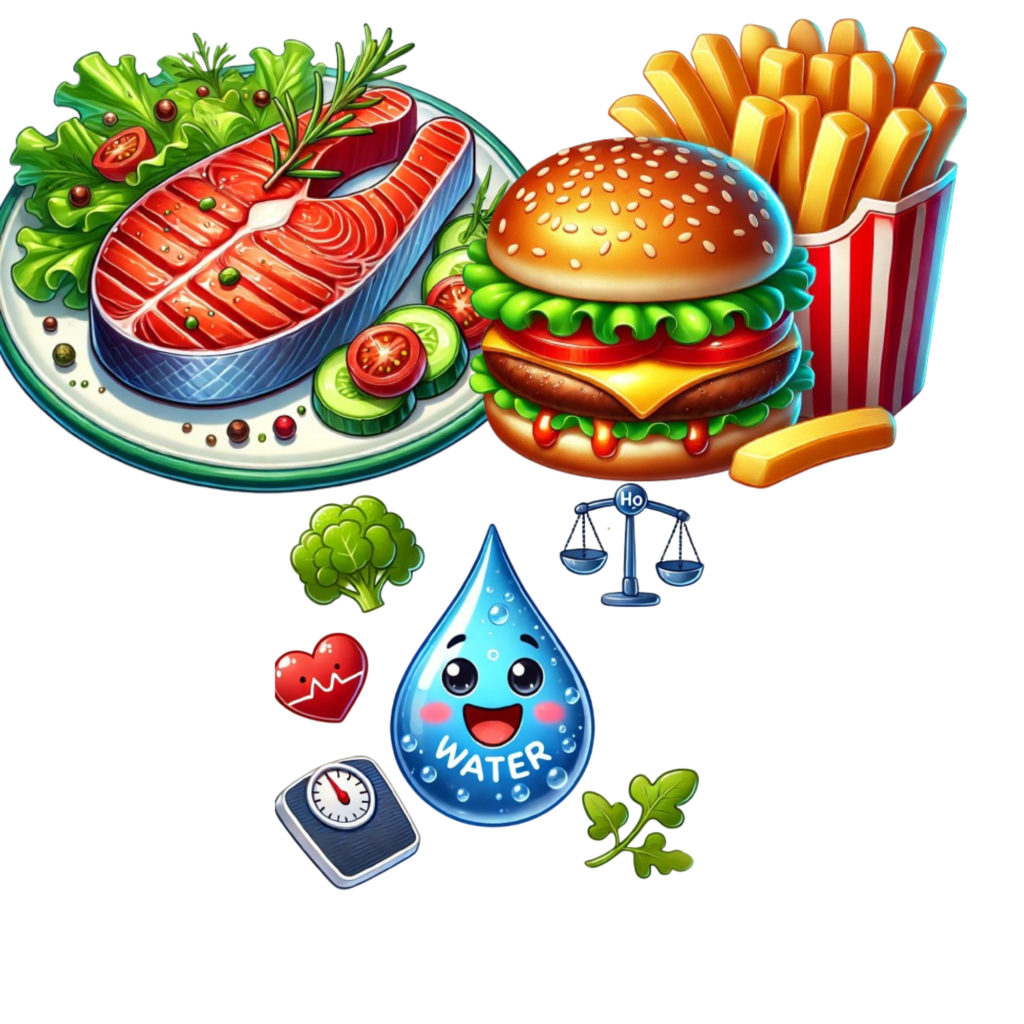
Eliminating entire food groups doesn’t lead to sustainable weight loss. Instead, the key is in balance:
- Proteins maintain muscle and satiety.
- Healthy fats support hormone production and energy.
- Carbohydrates, especially complex ones, fuel your body without spikes in blood sugar.
Complex carbs (whole grains, legumes, veggies) digest slowly and stabilize energy.
Simple carbs (sugar, white bread, sweets) digest quickly and often lead to hunger rebounds.
Without balance, your body stays in survival mode — and that’s one major reason why you can’t lose weight, no matter how hard you try.
Carb Reduction and Fat Burning — The Smart Way
Lowering carbohydrate intake triggers lipolysis, the process where the body burns stored fat for energy.
But be careful:
- Extremely low-carb diets can cause fatigue, nutrient deficiencies, and cravings.
- Sudden drops in carbs can also increase stress hormones, working against you.
Solution: Reduce carbs gradually and focus on quality — not just cutting calories.
Hydration: The Overlooked Key to Weight Loss
Water plays a huge role in how your body functions and how efficiently it burns fat.
- Dehydration slows metabolism and may increase cravings.
- Sometimes, we mistake thirst for hunger, leading to unnecessary snacking.
- Proper hydration improves digestion, energy, and overall wellness.
Tip: Start your day with a glass of water and aim for consistent hydration throughout the day.
The Role of Alcohol in Weight Gain
While occasional drinks may seem harmless, alcohol can significantly impact weight loss. It slows down metabolism, affects hormone regulation (like insulin and cortisol), and often leads to overeating or poor food choices. Reducing alcohol intake is a simple yet powerful step toward fat loss.

Conclusion: It’s Not About Perfection — It’s About Consistency
Real, lasting weight loss comes from understanding your body, supporting your hormones, and making small, consistent changes to your daily habits. It’s not a sprint — it’s a lifestyle shift.
Be kind to yourself. Sustainable progress always beats short-term success.

Read more articles:
“Alcohol Dehydrogenase: The Enzyme’s Role in Alcohol Metabolism and Beyond”